
Understanding Professional Wireless Microphone Systems
The evolution of audio technology has transformed how we approach sound reinforcement in professional environments. A professional wireless microphone system represents the pinnacle of this advancement, offering unprecedented freedom and flexibility for performers, presenters, and audio professionals alike. These sophisticated systems eliminate the constraints of traditional wired setups while maintaining broadcast-quality audio transmission.
Modern wireless microphone systems operate through complex RF (radio frequency) transmission protocols, converting acoustic energy into digital signals that traverse invisible pathways between transmitter and receiver. The technology encompasses multiple frequency bands, diversity reception techniques, and advanced digital signal processing to ensure pristine audio reproduction even in challenging electromagnetic environments.
Core Components of Wireless Audio Systems
Professional wireless systems comprise several critical elements working in harmonious synchronization. The transmitter—whether bodypack, handheld, or plug-on variant—captures and converts audio signals into radio waves. Simultaneously, the receiver decodes these transmissions back into analog or digital audio suitable for mixing consoles and amplification systems.
Antenna diversity technology employs multiple receiving antennas to combat signal dropouts and multipath interference. This redundancy ensures consistent signal strength and clarity, particularly crucial in demanding acoustic environments where reflective surfaces can create signal anomalies.
Key Features That Define Professional-Grade Systems
Distinguishing professional wireless microphone systems from consumer alternatives requires understanding several fundamental characteristics. Frequency agility stands as perhaps the most critical feature, allowing operators to navigate congested RF spectrums by selecting from hundreds of available frequencies.
Digital vs. Analog Transmission
Contemporary professional systems predominantly utilize digital transmission protocols, offering superior audio fidelity and enhanced security features. Digital systems provide consistent audio quality regardless of distance or environmental conditions, unlike analog counterparts that suffer from gradual signal degradation. Encryption capabilities protect against eavesdropping and unauthorized signal interception—essential for corporate and sensitive applications.
Battery Life and Power Management
Extended operational duration separates professional systems from recreational alternatives. Advanced power management algorithms optimize battery consumption while maintaining peak performance. Lithium-ion rechargeable batteries have largely supplanted traditional alkaline cells, providing predictable runtime and environmental sustainability.
"The reliability of wireless microphone systems can make or break a live performance. Professional-grade equipment provides the confidence that audio professionals demand in mission-critical applications."
The QLXD Wireless Microphone System Solution
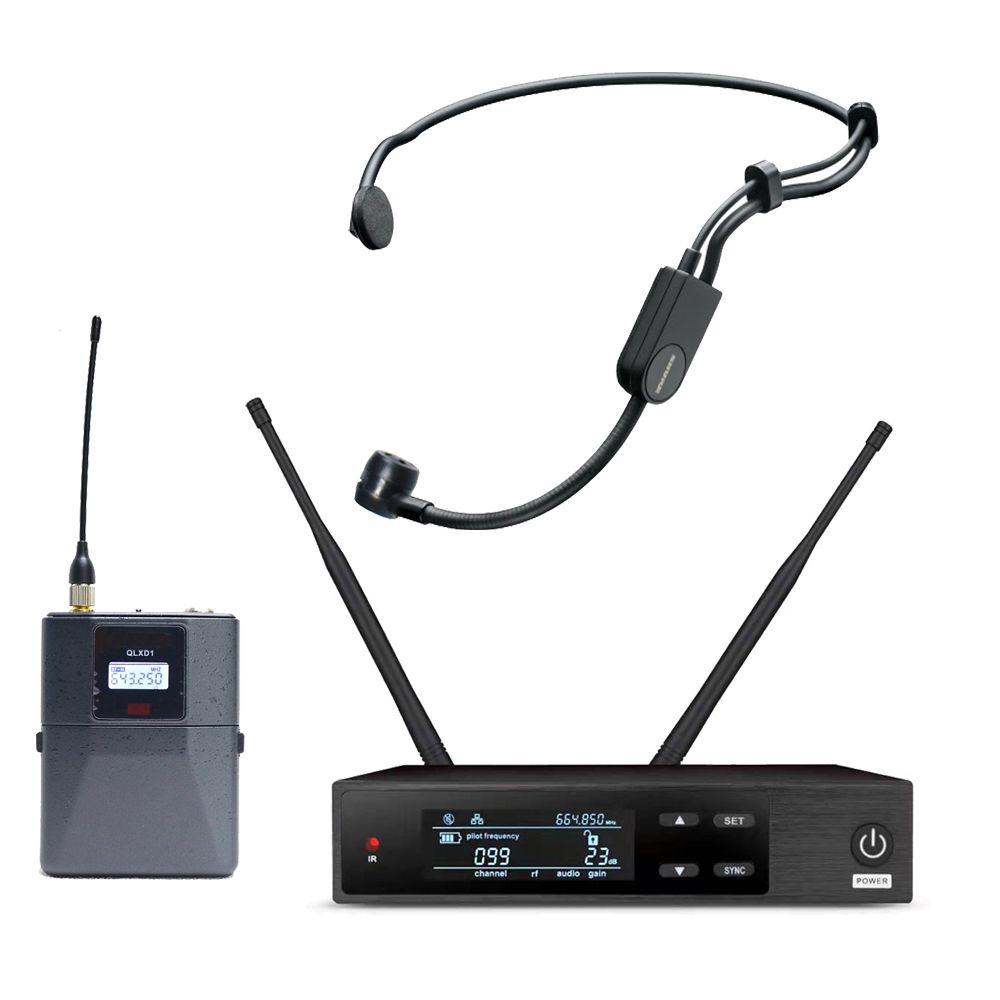
MiCWL Audio's QLXD wireless microphone system exemplifies professional-grade engineering designed for demanding applications. This comprehensive 100-channel digital system combines the QLXD4 receiver with QLXD1 bodypack transmitter and PGA31 headset microphone, delivering exceptional versatility for diverse performance scenarios.
The system addresses common challenges faced by audio professionals: frequency coordination in congested environments, consistent audio quality across varying distances, and reliable performance during extended events. Advanced digital signal processing ensures pristine audio reproduction while intelligent frequency management automatically avoids interference from other wireless devices.
Churches benefit from the discrete profile of lavalier configurations, while corporate presentations leverage the hands-free convenience of headset microphones. Stage performers appreciate the extended range and rock-solid reliability that prevents embarrassing dropouts during critical moments.
Technical Specifications and Performance Metrics
The QLXD system operates across multiple frequency bands, providing flexibility for international deployments and varying regulatory requirements. Digital encryption safeguards audio content while maintaining ultra-low latency essential for live performance applications. The receiver's diversity antenna system ensures consistent signal reception even in challenging RF environments.
Applications Across Professional Environments
Professional wireless microphone systems serve diverse industries with unique acoustic requirements. Corporate environments demand discrete, reliable audio capture for presentations and teleconferencing. Houses of worship require systems capable of handling multiple simultaneous channels while maintaining pristine vocal clarity.
Live Performance and Entertainment
Theatrical productions rely on wireless systems to enable unrestricted movement while maintaining character authenticity. Concert venues utilize these systems for both performers and audio engineers, enabling real-time monitoring and adjustment capabilities. The absence of cables eliminates trip hazards and stage clutter, enhancing both safety and aesthetics.
Corporate and Conference Applications
Business environments present unique challenges including HVAC noise, reverberant spaces, and electromagnetic interference from computing equipment. Professional wireless systems overcome these obstacles through advanced noise suppression algorithms and intelligent frequency selection.
| Application Type | Primary Benefits | Key Considerations |
|---|---|---|
| Live Performance | Mobility, stage safety, aesthetic appeal | Frequency coordination, battery management |
| Corporate Events | Professional appearance, reliable operation | Interference mitigation, easy setup |
| Houses of Worship | Discrete operation, multiple channels | Budget considerations, user training |
Selecting the Right Professional Wireless System
Choosing an appropriate professional wireless microphone system requires careful consideration of multiple factors. Venue size directly impacts required transmission range and power output specifications. Simultaneous channel requirements determine necessary frequency coordination capabilities and receiver density.
Frequency Coordination and Interference Management
Metropolitan areas present complex RF environments where television broadcasts, cellular networks, and other wireless systems compete for spectrum space. Professional systems provide sophisticated frequency coordination tools that identify clean transmission channels while avoiding interference sources.
Intermodulation distortion becomes increasingly problematic as channel counts increase. Advanced systems employ frequency coordination software that calculates optimal frequency combinations, ensuring multiple transmitters operate harmoniously without creating interference artifacts.
Frequently Asked Questions About Professional Wireless Systems
How many wireless microphones can operate simultaneously? The answer depends on available spectrum and frequency coordination capabilities. Professional systems can typically support dozens of simultaneous channels when properly configured, though practical limitations may apply based on venue characteristics and regulatory restrictions.
What range can professional wireless systems achieve? Line-of-sight transmission ranges often exceed 300 feet for professional systems, though real-world performance varies based on antenna placement, environmental factors, and power output regulations. Proper antenna positioning and diversity reception significantly impact effective range.
Are digital wireless systems always superior to analog? Digital systems offer advantages in audio quality consistency, security, and interference resistance. However, analog systems may provide slightly lower latency in some applications. The choice depends on specific application requirements and budget considerations.
Future Considerations and Technology Trends
Wireless microphone technology continues evolving rapidly, driven by advancing digital signal processing capabilities and changing regulatory landscapes. Network-enabled systems increasingly offer remote monitoring and control capabilities, enabling centralized management of complex installations.
- Enhanced battery life through improved power management algorithms
- Increased channel density within available spectrum allocations
- Integration with IP-based audio networks for streamlined system management
- Advanced encryption protocols for enhanced security applications
- Artificial intelligence for automatic frequency coordination and interference avoidance
The professional wireless microphone landscape will continue adapting to meet evolving user demands while navigating increasingly complex electromagnetic environments. Organizations investing in quality systems today position themselves advantageously for future technological developments and regulatory changes.