
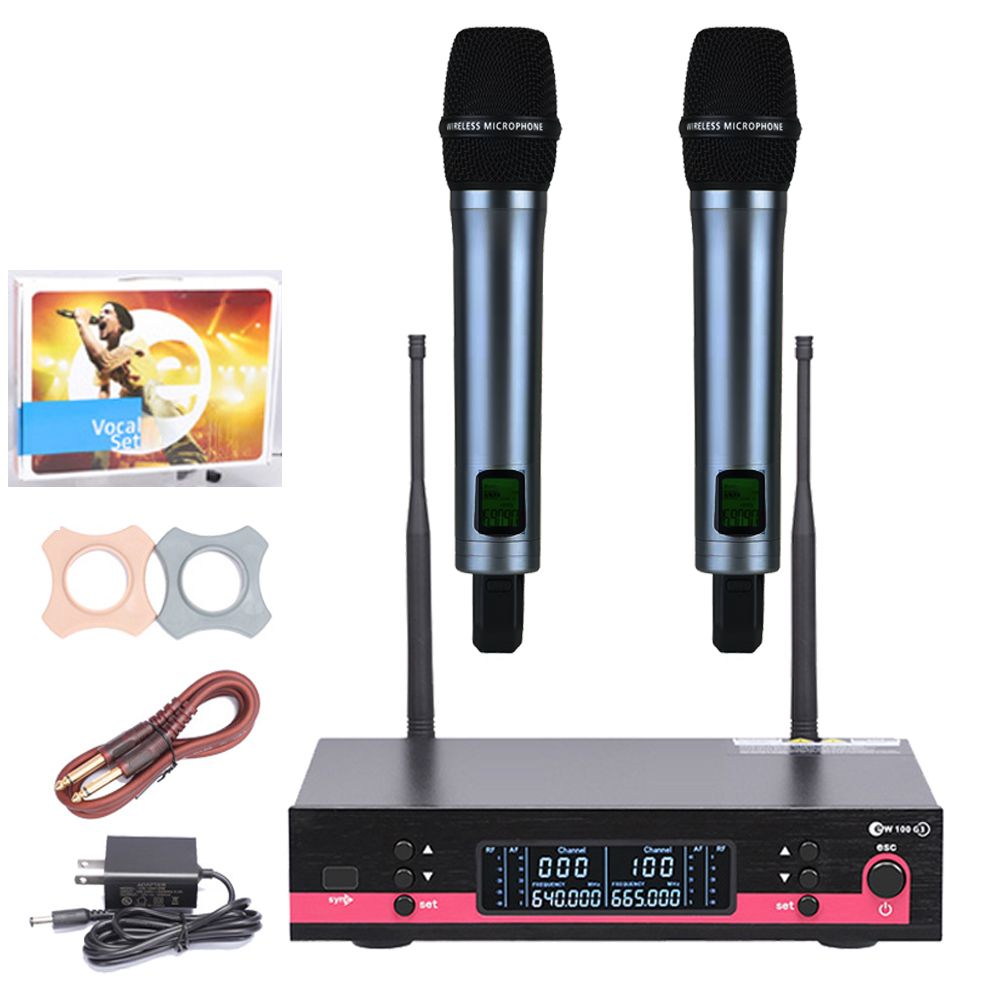
Understanding Professional Wireless Microphone Technology
The architecture of contemporary wireless systems incorporates automatic frequency coordination, encrypted digital transmission protocols, and multi-channel capability. Advanced diversity receiver technology employs multiple antennas and RF processing paths to mitigate signal dropouts and multipath interference. This redundancy ensures consistent audio capture even in challenging RF environments typical of large venues and corporate facilities.
Digital vs Analog Transmission Protocols
Digital wireless microphone systems offer significant advantages over analog counterparts in professional applications. Digital transmission provides enhanced dynamic range, reduced noise floor, and superior frequency efficiency. Encrypted digital audio streams ensure confidential communications remain secure during corporate meetings and sensitive presentations.
Analog systems, while still prevalent, face increasing spectrum limitations and interference challenges. Digital platforms utilize sophisticated compression algorithms and error correction protocols to maintain audio fidelity across extended transmission ranges. The conversion from analog-to-digital occurs at the transmitter, preserving signal integrity throughout the RF transmission chain.
Long Range Capabilities and Performance Specifications
Extended operational range represents a critical performance parameter for professional wireless microphone systems. High-quality systems achieve line-of-sight transmission distances exceeding 300 meters, with indoor ranges typically spanning 100-150 meters depending on architectural obstacles and RF interference levels.
"The effectiveness of long-range wireless transmission depends not only on transmitter power output but also on receiver sensitivity, antenna design, and environmental factors affecting RF propagation."
Professional systems employ sophisticated power management protocols to optimize battery life while maintaining consistent RF output. Intelligent transmitter designs adjust power levels based on distance requirements and signal quality feedback from the receiver. This adaptive approach extends operational duration while preserving audio quality across varying distances.
Frequency Coordination and Spectrum Management
Wireless microphone frequency coordination involves systematic assignment of RF channels to prevent intermodulation interference and ensure reliable operation. Professional systems operate within designated UHF television bands, requiring careful frequency planning in complex multi-channel installations.
Advanced frequency coordination software analyzes available spectrum, identifies potential interference sources, and calculates optimal frequency assignments. This computational approach becomes essential when deploying multiple wireless channels simultaneously in corporate conference environments or large-scale live events.
Applications Across Professional Environments
Professional wireless microphone systems serve diverse applications spanning corporate communications, theatrical productions, religious services, and live entertainment venues. Each environment presents unique acoustic challenges and operational requirements that influence system selection and configuration.
Corporate Meeting and Conference Solutions
Conference audio systems for corporate meetings demand exceptional speech intelligibility and seamless integration with existing AV infrastructure. Gooseneck conference microphones and boundary microphone units provide fixed-position capture for boardroom applications, while wireless lavalier systems offer mobility for presentations and panel discussions.
- Multi-participant conference systems with individual channel control
- Integration with video conferencing platforms and recording systems
- Automatic mixing capabilities for hands-free operation
- Secure encrypted transmission for confidential communications
Advanced conference microphone systems incorporate noise-canceling algorithms and directional pickup patterns to minimize ambient noise and cross-talk between participants. Rechargeable wireless microphone systems reduce operational complexity while providing consistent performance throughout extended meeting sessions.
House of Worship Audio Systems
House of worship microphone systems require exceptional reliability and transparent audio reproduction for speech and musical performance. Church sound system microphones must accommodate diverse programming including sermons, choir performances, and contemporary worship music.
Wireless systems designed for houses of worship typically feature extended battery life, robust construction, and intuitive operation for volunteer technical teams. Lavalier and headset microphones for live events provide unobtrusive capture while maintaining consistent positioning relative to the speaker's mouth.
Theater and Live Performance Applications
Theatrical productions demand wireless microphone systems capable of withstanding rigorous performance conditions while maintaining audio quality. Headset microphones for stage performers must combine secure mounting, sweat resistance, and minimal visual profile.
Professional theater systems incorporate quick-change capabilities, costume-friendly bodypack designs, and comprehensive monitoring systems for technical crews. Rugged microphones for touring applications must withstand transportation stresses and varying environmental conditions across multiple venues.
System Components and Technical Specifications
Professional wireless microphone systems comprise multiple interconnected components working in concert to achieve reliable audio transmission. Understanding the function and specifications of each element enables optimal system configuration for specific applications.
Transmitter Technology and Design
Bodypack transmitters represent the mobile component of wireless systems, housing RF circuitry, audio processing, and power management systems within compact, lightweight enclosures. Modern transmitters feature LCD displays, menu-driven configuration, and infrared synchronization with receivers for simplified setup.
| Specification | Professional Standard | Application Benefit |
|---|---|---|
| RF Output Power | 10-100 mW | Extended transmission range |
| Battery Life | 8-12 hours | Full-day operation capability |
| Frequency Stability | ±0.005% | Interference-free operation |
| Audio Dynamic Range | 110+ dB | Professional audio quality |
Handheld wireless microphone kits integrate transmitter electronics within traditional microphone housings, providing familiar form factors for performers and speakers. Advanced handheld units incorporate multiple capsule options, gain adjustment controls, and mute functions accessible during performance.
Receiver Systems and Diversity Technology
Diversity wireless receiver technology employs multiple RF reception paths to combat signal fading and interference. True diversity systems utilize separate antennas and RF processing chains, automatically selecting the stronger signal or combining multiple paths for optimal reception quality.
Multi-channel wireless receiver systems accommodate multiple simultaneous transmitters within single rack-mount chassis. These systems often incorporate network connectivity, remote monitoring capabilities, and centralized frequency coordination functions essential for complex installations.
Professional Audio Integration and Accessories
Successful wireless microphone implementation requires careful attention to audio system integration and supporting accessories. Professional installations must address signal routing, power distribution, and mechanical mounting requirements while maintaining system reliability and operational simplicity.
XLR microphone cables for professional audio provide balanced signal transmission between receivers and mixing consoles. High-quality cables incorporate proper shielding, strain relief, and corrosion-resistant connectors essential for reliable long-term operation.
Supporting Equipment and Signal Processing
Audio mixers and amplifiers for live sound must accommodate wireless receiver outputs while providing necessary signal processing and routing capabilities. Modern mixing platforms incorporate built-in effects processing, USB recording interfaces, and network audio protocols for comprehensive audio management.
Microphone accessories including windscreens, clips, and protective cases ensure optimal system performance and longevity. Professional-grade accessories utilize appropriate materials and construction techniques to withstand demanding operational environments while maintaining acoustic transparency.
Quality Assurance and Manufacturing Standards
ISO9001 certified audio manufacturers maintain rigorous quality control processes throughout design, production, and testing phases. Professional wireless microphone systems undergo comprehensive electromagnetic compatibility testing, environmental stress testing, and audio performance verification before market release.
Global support infrastructure becomes essential for professional audio equipment deployed across international markets. Comprehensive warranty programs, technical support networks, and spare parts availability ensure continued system operation throughout extended service lives.
How do you evaluate wireless microphone system reliability for critical applications? Professional users should consider mean time between failure statistics, environmental operating ranges, and manufacturer support capabilities when specifying systems for demanding applications.